Europe • Italy • Historic site
Rome
Rome is ancient, crowded, chaotic and ridiculous in the best way: Colosseum, Pantheon, Trevi Fountain, Forum, churches, scooters and history stacked on history.

Trip notes
City: Rome
When: 5 Jan 2024
Trip type: Historic site
Rome Italy Colosseum Pantheon Roman Forum Trevi Fountain Roman mythology walking history
How I got there
Visited as part of the Italy route that included Pisa, Naples/Pompeii, Florence, Rome and Vatican City. Rome fitted naturally as the heavyweight historic centre of the trip.
Booking notes
Rome needs planning, but not suffocation. Book major sights like the Colosseum, Vatican Museums or popular timed attractions ahead if they matter. Leave space between them because Rome streets, queues, heat and crowds will happily ruin an over-tight plan.
Stay central enough to walk or near good transport. Rome looks manageable on a map until ancient paving, crowds and January optimism get involved.
Cost and value
Rome can be expensive, but it also gives huge value through walking. Many major sights can be seen externally for free, and the city itself is the experience.
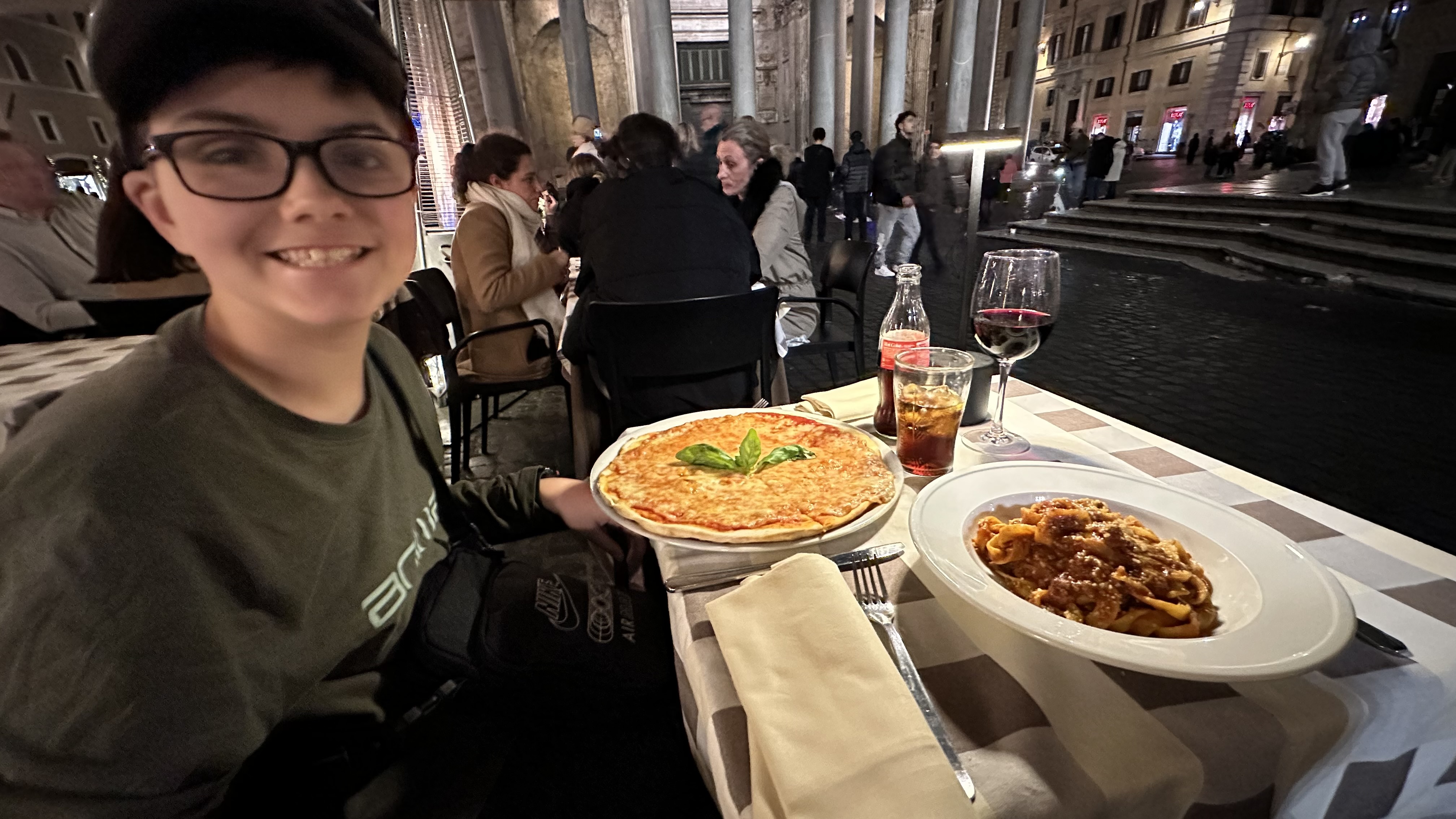
Paid entries are worth choosing carefully. The Colosseum/Forum combination gives serious ancient history value. The Pantheon, depending on current entry arrangements, is worth seeing properly. Food can be good value away from obvious tourist traps, but any menu with pictures of everything deserves suspicion.
What I did
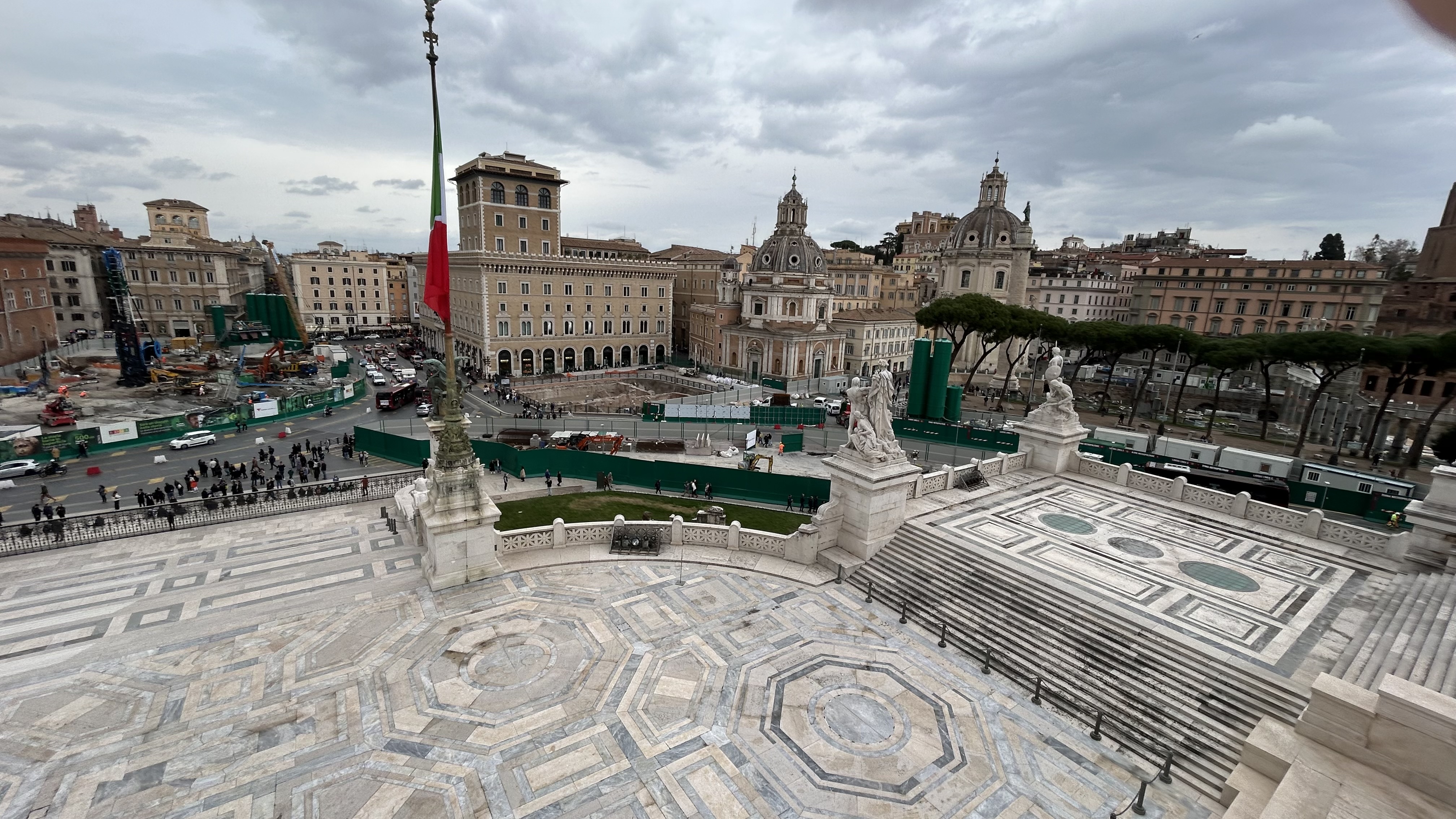
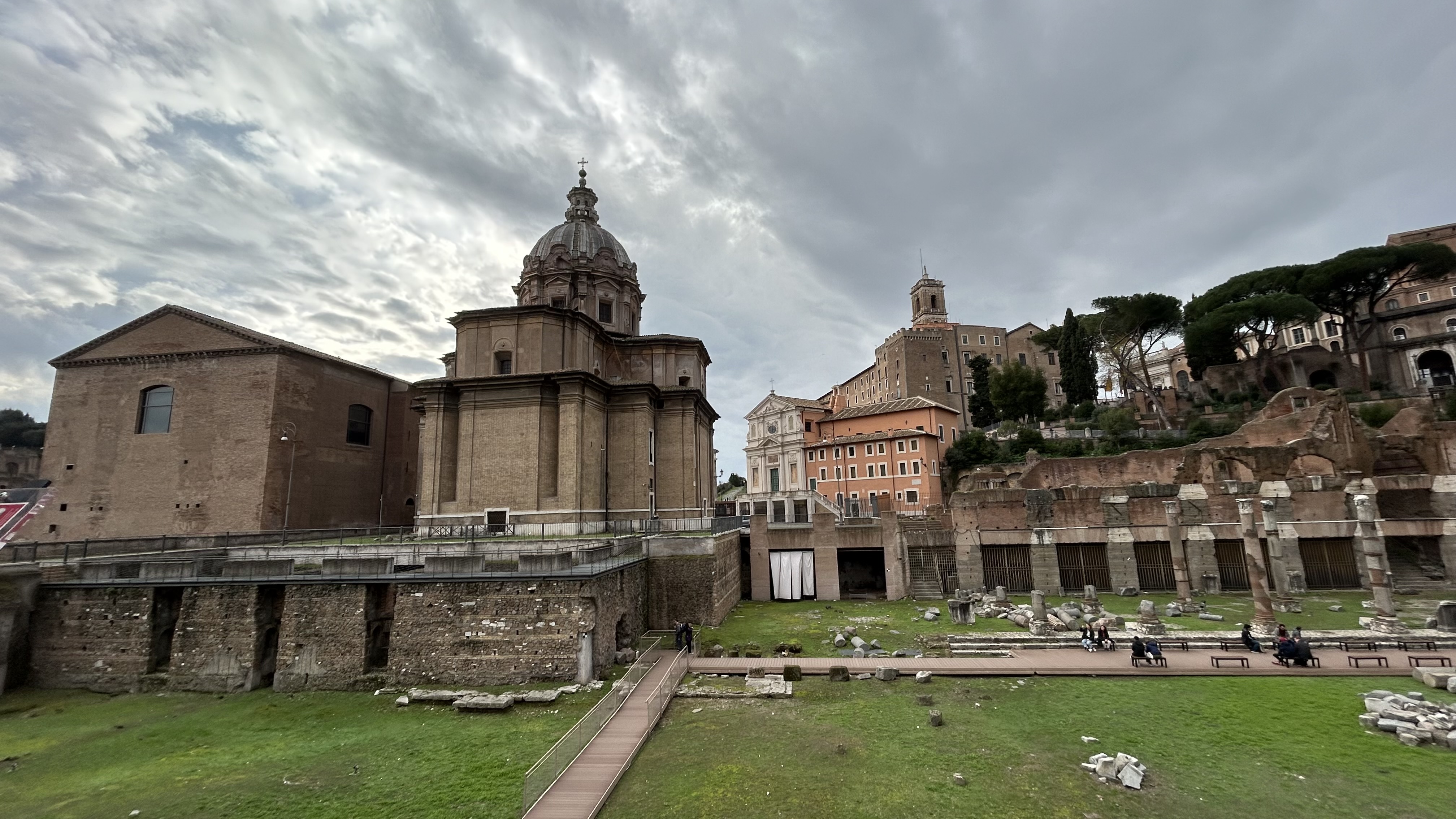
Visited and saw major sights including the Colosseum, Pantheon, Trevi Fountain, Spanish Steps, Victor Emmanuel II Monument, Forum of Caesar and Hard Rock Café area. The Pantheon stood out because it looks almost impossible for something so old to still feel so complete.
The Colosseum is the classic Rome moment. It is famous enough to risk feeling overhyped, but in person it still has presence. The Trevi Fountain is crowded, but the design is impressive. The Victor Emmanuel II Monument is enormous and very white, basically Rome deciding it needed a building visible from space.
Walking notes
Rome is one of the best walking cities in the world if you like history and one of the worst if you expect smooth pavements and calm streets. It is uneven, busy and full of distractions.
The best approach is to link areas: Pantheon, Trevi, Spanish Steps and Piazza Navona; Colosseum, Forum and Palatine; Vatican separately. Trying to do all Rome in one day is not ambition. It is a cry for help.
History and mythology
Rome’s mythology begins with Romulus and Remus, twin brothers said to have been raised by a she-wolf before Romulus founded the city. Roman religion drew heavily from Greek gods but gave them Roman names and identities: Zeus became Jupiter, Hera became Juno, Ares became Mars, Aphrodite became Venus and so on.
The Roman Forum was the centre of public life in ancient Rome. Temples, basilicas, triumphal arches and political spaces all sat together. The Colosseum showed the entertainment and power side of the empire, while the Pantheon shows the religious and architectural ambition.
Fun facts
The Pantheon has the world’s largest unreinforced concrete dome. The Colosseum could hold tens of thousands of spectators. The Trevi Fountain tradition says throwing a coin over your shoulder helps ensure a return to Rome, which is a clever way to make tourists fund fountain maintenance through superstition.
Rome is called the Eternal City. It was not built in a day, which is convenient because neither can it be visited properly in one.
Would I return?
Yes. Rome is impossible to finish. I would go back for more ancient sites, Vatican time, quieter neighbourhoods and slower evenings without trying to absorb the entire Roman Empire in one go.
First impression
Rome is not subtle about being important. You can walk down a normal street, turn a corner and suddenly there is the Pantheon, the Trevi Fountain, a Roman column, a church full of art or the Colosseum sitting there like it has been waiting two thousand years for you to notice. Which, to be fair, it has.
The city is messy, busy and sometimes exhausting, but that is part of the point. Rome is not a clean museum version of the past. It is a living city built on top of itself again and again: ancient Rome, early Christianity, medieval streets, Renaissance palaces, Baroque fountains, modern traffic and tourists all trying to cross the road with varying levels of confidence.
For mythology and ancient history, Rome is huge. It gives you Roman gods, emperors, legends, ruins, temples and political power. The city’s foundation myth of Romulus and Remus is one of the most famous origin stories in Europe, and the Roman Forum still gives a sense of the place where politics, religion and public life once collided.
Rome can be overwhelming, but it is worth the effort. It rewards walking, even when your feet disagree. It is the kind of city where the obvious sights are obvious because they are astonishing, not because a brochure needed filler.