Europe • Greece • Cruise stop
Rhodes
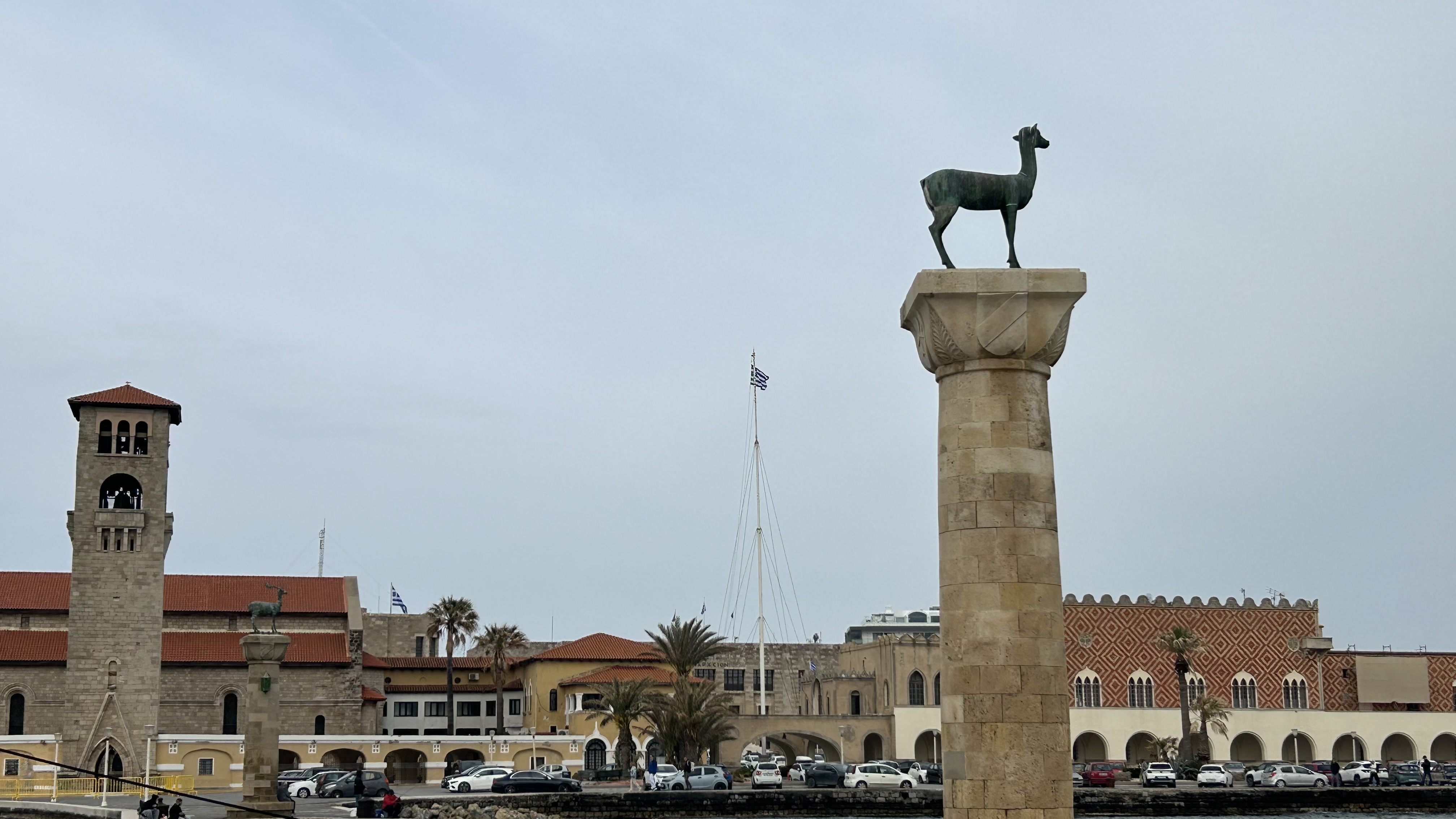
Rhodes is a cruise stop with proper weight: medieval walls, Knights of St John, harbour views, old streets and the ghost of the Colossus lurking in the background.
Trip notes
City: Rhodes
When: 14 Apr 2026
Trip type: Cruise stop
Cruise line: Marella
Ship: Discovery
Route: Aegean Gems
Rhodes Greece cruise stop medieval old town Knights of St John Colossus of Rhodes walking history
How I got there
Visited on Marella Discovery as part of the Aegean Gems route. Rhodes is well suited to a cruise stop because the old town and harbour areas are close enough to make independent walking realistic.
Booking notes
Rhodes old town is excellent independently if your ship docks nearby. You can walk, explore and choose how deeply to go into museums or palace visits. If you want Lindos or wider island sights, that needs more planning.
For a cruise stop, Rhodes rewards an early start before the lanes and main sights get busier. Heat, crowds and old stone are a strong combination, not always in a good way.
Cost and value
Very good value if explored independently. The old town itself provides a huge amount through walking and atmosphere. Paid entries to museums or the Palace of the Grand Master can add depth, but even the free wandering is strong.
Rhodes feels like one of the cruise stops where the port location really helps. You are not spending half the day reaching the interesting bit, which is always appreciated by legs and wallets.
What I did
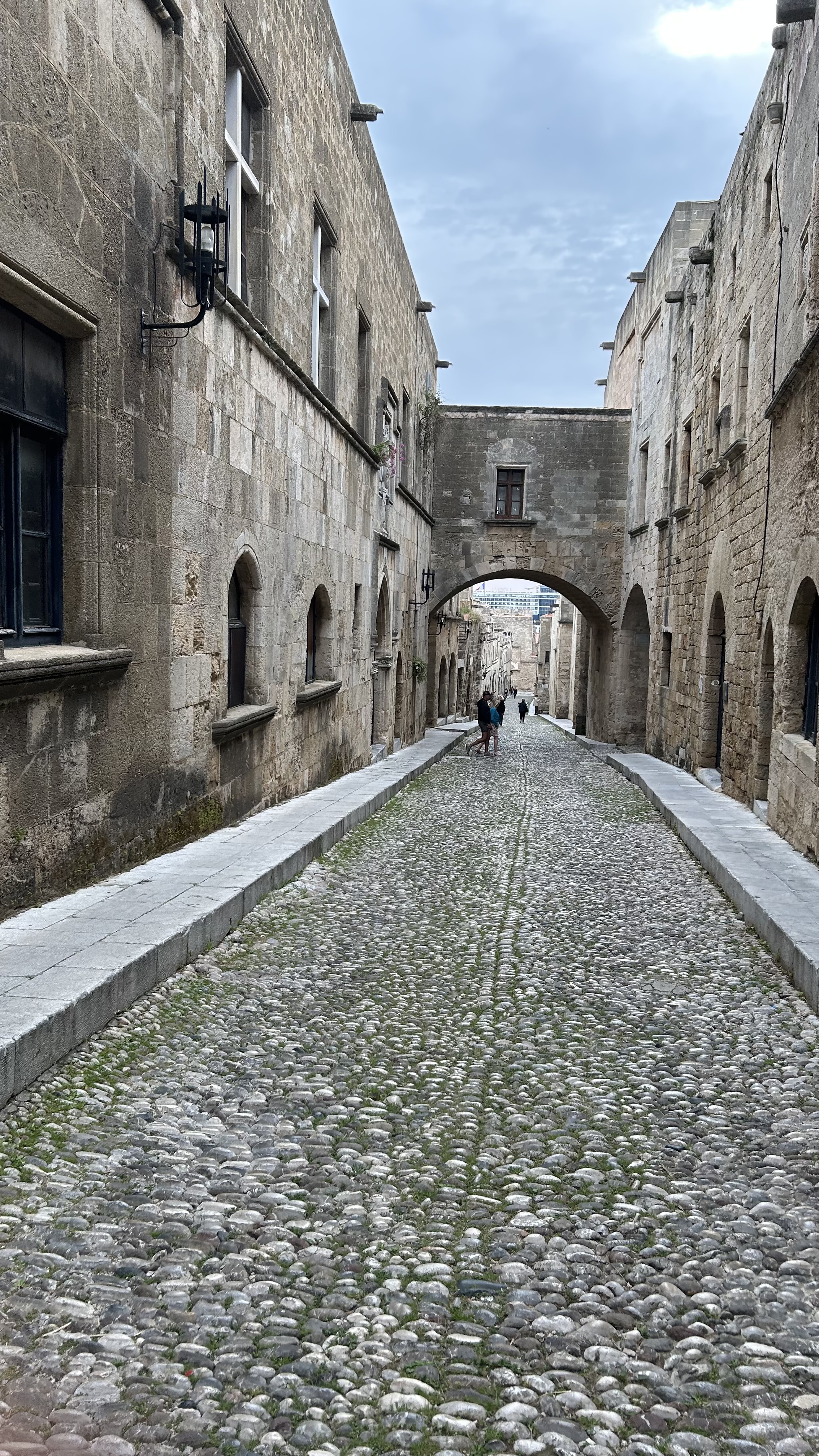
Explored the old town, harbour area, medieval streets and views around the fortified centre. The city walls and stone streets gave the day a strong historic feel immediately.
The Palace of the Grand Master area is the obvious centrepiece, but the general wandering was just as important. Rhodes old town works because you do not need every building explained to feel the atmosphere. The place looks like history even before you read anything.
Walking notes
Rhodes is excellent for walking, especially the old town. The streets are uneven in places, so proper shoes are sensible. The heat can build up between stone walls, so water is not optional.
The best approach is to wander slowly through the gates, main streets and quieter lanes. It is easy to get pulled toward shops and cafés, but the real value is looking up at the walls, arches, towers and old stonework.
History and mythology
Rhodes has ancient Greek, Roman, Byzantine, medieval and Ottoman layers. In mythology and ancient religion it was strongly linked to Helios, the sun god. The famous Colossus of Rhodes was a giant statue of Helios and one of the Seven Wonders of the Ancient World.
In the medieval period, Rhodes became a major stronghold of the Knights Hospitaller, also known as the Knights of St John. The Palace of the Grand Master was their administrative centre and remains one of the most important medieval monuments on the island.
Fun facts
The Colossus of Rhodes was built in the 3rd century BCE and later destroyed by an earthquake. Nobody knows exactly where it stood, and the popular image of it straddling the harbour is probably more dramatic than accurate.
Rhodes Old Town is a UNESCO World Heritage Site. The Palace of the Grand Master was one of the first major buildings constructed by the Knights in the old town. The Street of the Knights is one of the best-known medieval streets in Greece.
Would I return?
Yes. Rhodes deserves more time, especially for Lindos, beaches, more old town exploring and deeper history.
First impression
Rhodes feels like a place that knows it has history and does not need to be shy about it. The old town is the main event: walls, gates, stone streets, towers, courtyards and that slightly fortress-like feeling that makes a normal walk seem more dramatic than it probably deserves.
It is one of the best cruise stops for walking straight into the story. You do not have to go miles inland to find the interesting bit. The medieval old town is close, atmospheric and packed with layers. It feels different from the other Greek stops because this is not just white buildings and blue sea. Rhodes has a tougher, more fortified look.
The Palace of the Grand Master is the big landmark, connected to the Knights of St John. The Street of the Knights, old walls and museums all give Rhodes a strong medieval identity, which makes a nice change from pretending every Greek stop has to be only temples and beaches.
Then there is the Colossus of Rhodes, one of the Seven Wonders of the Ancient World. It is gone now, inconveniently, but the idea of it still hangs over the harbour. A giant statue of Helios watching over Rhodes is exactly the kind of ancient flex cities do not really attempt anymore, probably due to planning permission.