Europe • United Kingdom • UK trip
Birmingham
Birmingham is a proper working city with canals, shopping, food, industrial history and more character than its lazy reputation suggests.
Trip notes
City: Birmingham
When: 15 Feb 2026
Trip type: UK trip
Birmingham UK travel canals Jewellery Quarter Bullring industrial history walking city break Midlands
How I got there
Visited as a UK city trip. Birmingham works well by train because New Street puts you straight into the centre, which is exactly where you want to be if you are avoiding the road system having a laugh at your expense.
Booking notes
For a simple city day, arrive by train, pick an area and walk. Good anchors include the Bullring, canals, Brindleyplace, Library of Birmingham, Jewellery Quarter and food stops.
If driving, check parking and the Clean Air Zone. Birmingham is one of those places where public transport can save both money and mood.
Cost and value
Good value for a UK city trip if you focus on walking, food and free city exploring. Shopping can obviously become expensive because shops do tend to sell things, inconveniently.
The best value is in the canals, Jewellery Quarter, markets, street food and public spaces. Birmingham is not always polished, but it is interesting, and interesting beats bland.
What I did
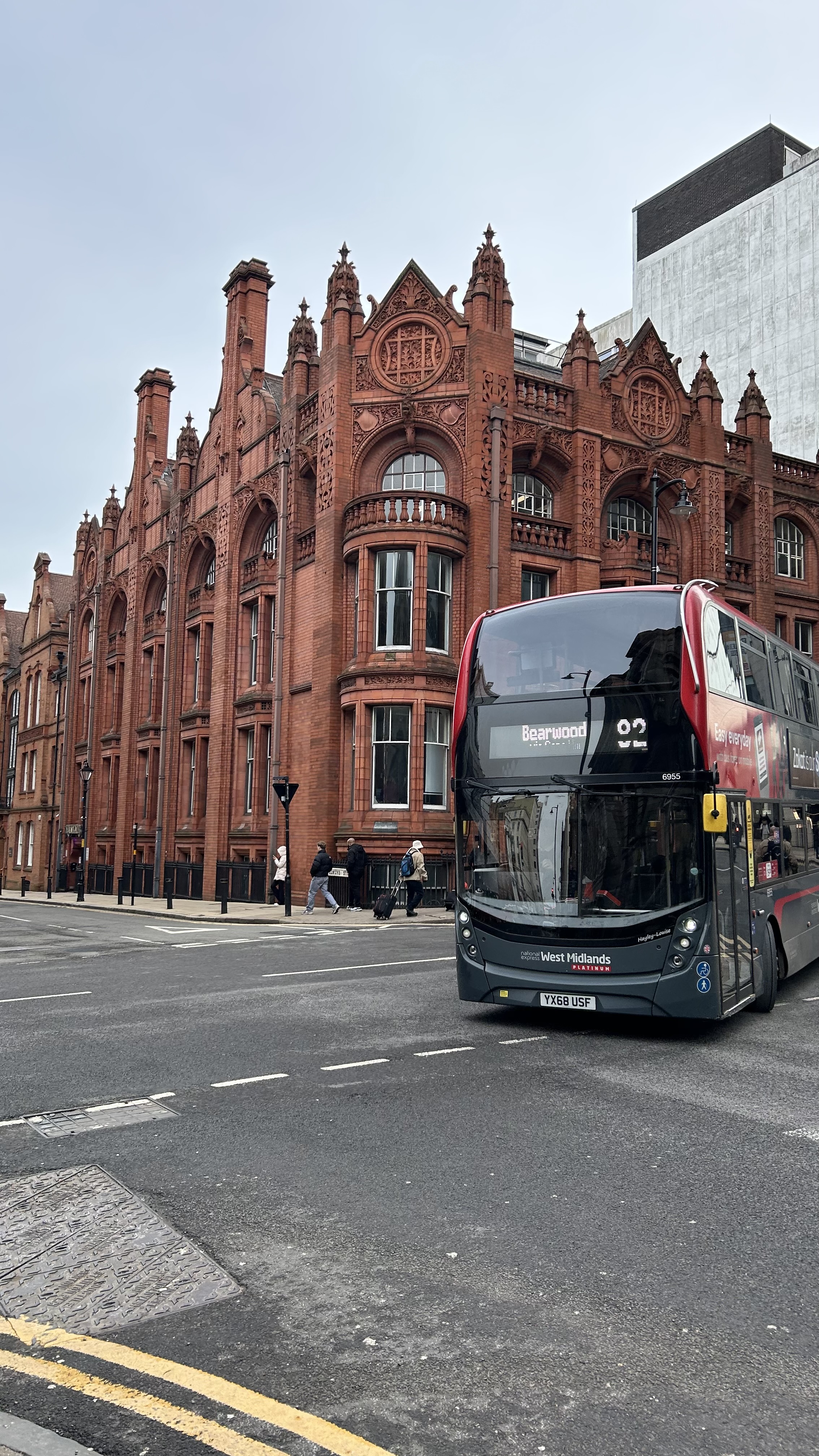
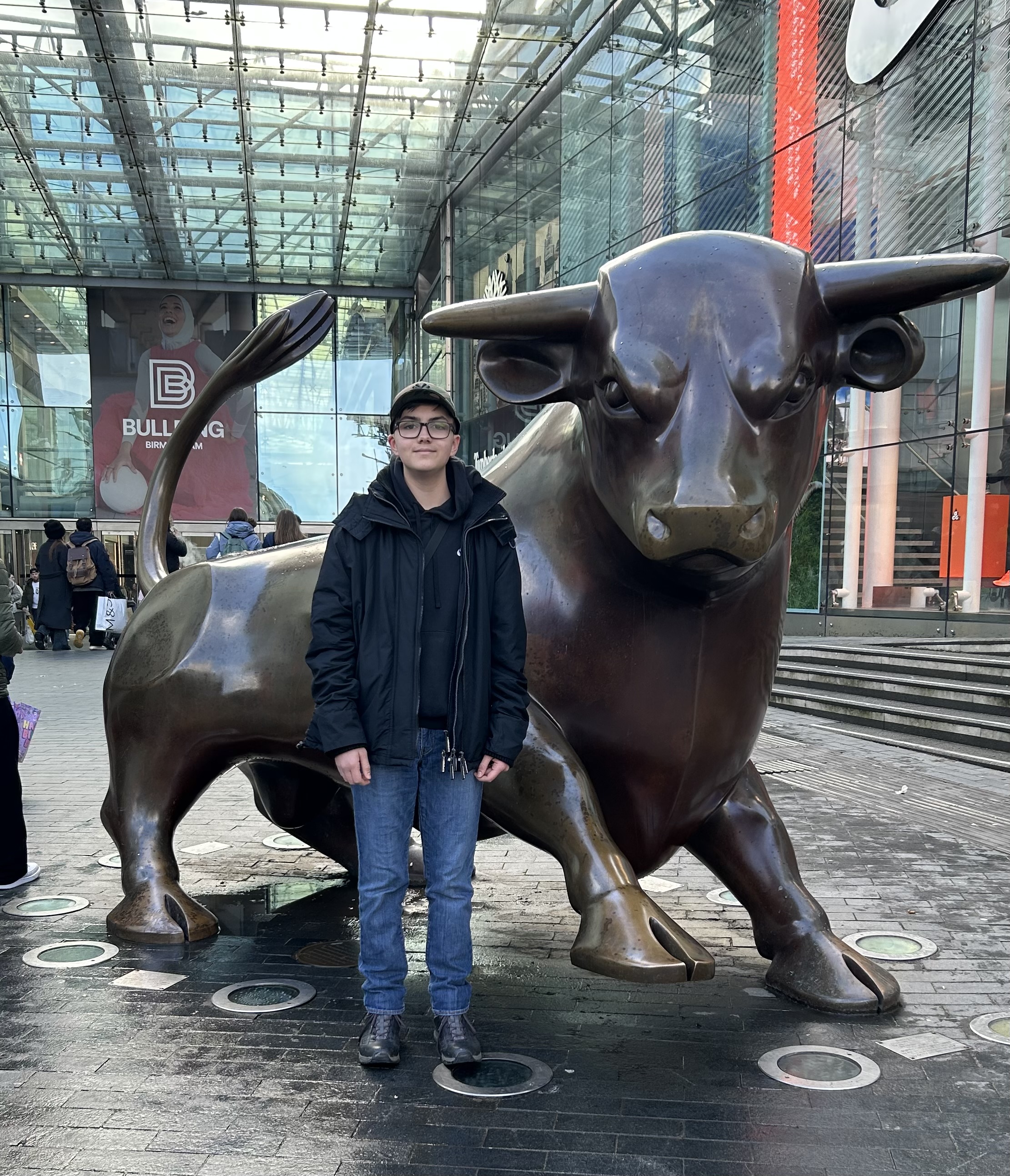
Explored the central city feel: shops, streets, canals and the general Birmingham atmosphere. The Bullring and Grand Central area give the obvious busy centre, while the canal routes and Jewellery Quarter are better for slower wandering.
Birmingham is also a good food city. From curry houses and street food to cafés and restaurants, it has much more going for it than the old jokes suggest. Lazy jokes about Birmingham are basically travel filler for people who have run out of original thoughts.
Walking notes
Birmingham is walkable if you choose routes carefully. The canals are the best walking option because they give calmer paths, water views and a sense of the city’s industrial past.
The centre can feel busy and chopped up by roads, so grouping areas helps. Bullring and Grand Central work together, then canals and Brindleyplace, then Jewellery Quarter if you want a more historic-maker feel.
History and mythology
Birmingham’s story is industrial rather than ancient-mythological. It grew massively during the Industrial Revolution and became known for manufacturing, metalwork, jewellery, innovation and workshops.
The Jewellery Quarter has over 200 years of history and remains one of the city’s strongest heritage areas. Birmingham also played a major role in canals, engineering, workers’ movements, music and modern multicultural Britain. No dragons required. Industry did enough.
Fun facts
Birmingham has a huge canal network, often compared with Venice, although the similarities do not extend to gondolas and romantic Italian lighting. The Jewellery Quarter has produced a large share of UK jewellery and contains hundreds of listed buildings.
The Bull Ring has been a market area for centuries. The Library of Birmingham is one of the city’s most recognisable modern buildings and has roof garden views if you catch it right.
Would I return?
Yes. Birmingham is worth returning to for food, canals, events, the Jewellery Quarter and different neighbourhoods beyond the main shopping centre.
First impression
Birmingham gets judged unfairly by people who have either not been properly or only saw it from a ring road, which is a bit like reviewing a restaurant from the bins round the back. The city is not postcard-pretty in the obvious York or Chester way, but it has energy, food, shopping, canals, music, industry and a proper Midlands confidence.
The city centre has changed a lot. The Bullring, Grand Central and New Street area give it the big shopping-city feel, while the canals and Jewellery Quarter add more character. Birmingham works best when you stop expecting it to behave like a historic tourist town and let it be what it is: a large, layered, busy city shaped by industry, migration, invention and food.
The canals are one of the best surprises. They give the centre calmer walking routes and a different view of the city. The Jewellery Quarter brings workshops, old buildings, independent places and a proper sense of Birmingham’s making heritage.
It is not perfect. Some bits are messy, some bits are still being rebuilt, and the traffic arrangements look like they were designed during a grudge. But Birmingham has more going on than people give it credit for.